
Introduction
Being told you need a Transurethral Resection of Bladder (TURBT) can be overwhelming. Patients often wonder: Is it safe? What are the risks? Who should I trust for treatment in Georgia? These are important questions because safety and success depend not just on the procedure itself but also on where and by whom it is performed.
For people searching for bladder tumor resection treatment in Georgia, knowing the facts can help you make informed choices and feel confident about your care. In this guide, we’ll explain the procedure, discuss safety, outline possible risks, and highlight why choosing the best endoscopic bladder surgery treatment in Georgia is essential.
What is a Transurethral Resection of the Bladder?
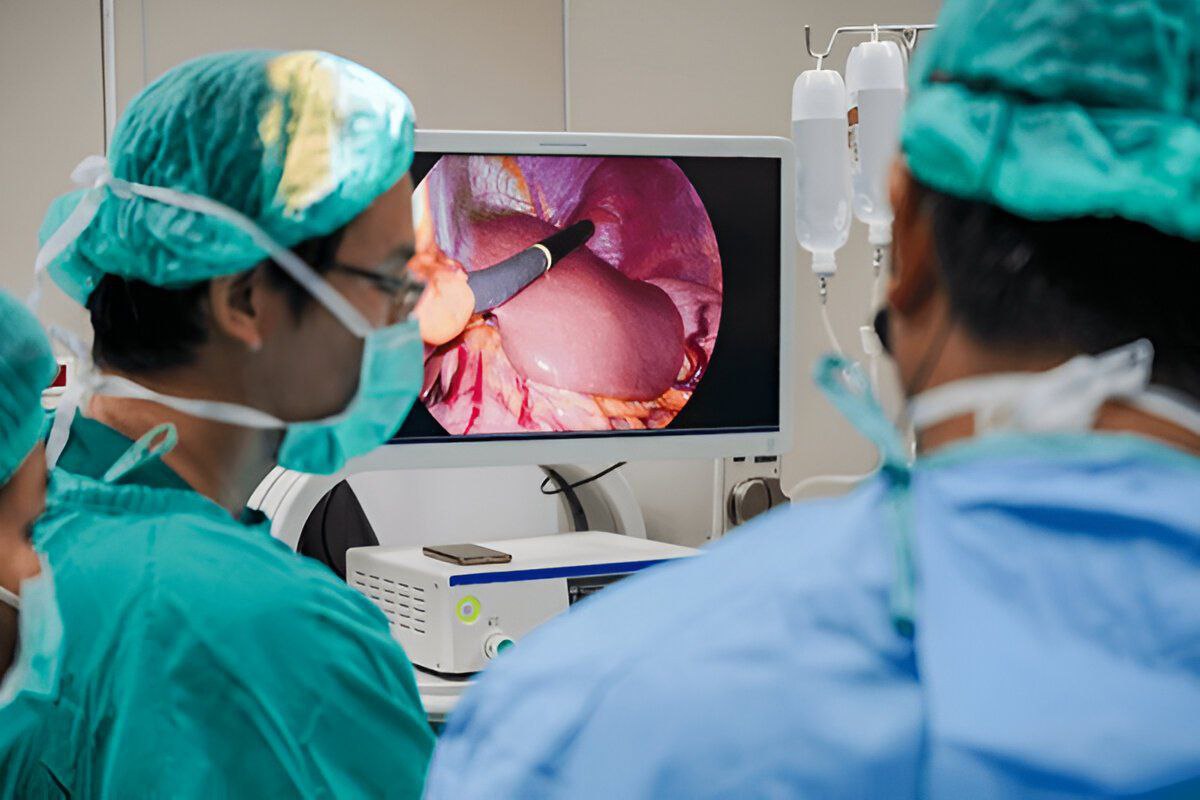
The Transurethral Resection of Bladder is a minimally invasive surgical procedure commonly performed to diagnose and treat bladder cancer, especially non-muscle invasive bladder cancer (NMIBC).
During the procedure:
- A resectoscope (a thin, tube-like instrument) is inserted through the urethra, so no external incision is required.
- Using electric current or laser energy, the surgeon removes or burns away abnormal bladder tissue or tumours.
- Tissue samples are then sent to a pathologist for diagnosis.
This method allows doctors to both diagnose and treat bladder cancer in the same procedure, making it the first-line treatment recommended in urology guidelines
Is the Procedure Safe?

Yes—Transurethral Resection of Bladder is considered safe for most patients when performed at a reputable facility by an experienced urologist. Because it is minimally invasive, most patients go home the same day or after an overnight stay.
According to Cleveland Clinic, TURBT is among the safest surgical procedures in urology, with major complications being rare.
Still, no surgery is risk-free. It’s important to understand both the benefits and possible risks before making a decision.
Benefits of TURBT
- Minimally invasive: No open surgery, which means faster recovery.
- Diagnostic and therapeutic: Removes tumours while allowing biopsy.
- High success rate: Particularly effective for early-stage bladder cancers.
- Repeatable: Can be performed more than once if new tumours develop.
- Foundation for future treatment: Sometimes followed by intravesical therapy (e.g., BCG or chemotherapy).
Risks & Possible Complications
These are most often mild to moderate, temporary, and manageable:
Research indicates that serious adverse outcomes are rare. For example, in a recent dataset (ACS NSQIP), severe complications after TURBT are uncommon.
What to Expect During Recovery
Recovery time varies depending on tumour size and patient health, but typically:
- Hospital stay: Same-day discharge or overnight stay.
- Catheter use: 1–3 days, depending on bleeding.
- Common symptoms: Burning sensation, frequency, urgency, and light bleeding for up to 2 weeks.
- Full recovery: Around 4–6 weeks.
Patients are usually advised to:
- Drink plenty of fluids to flush the bladder.
- Avoid heavy lifting, strenuous exercise, and sexual activity until cleared by the doctor.
- Monitor for signs of complications such as heavy bleeding, fever, or difficulty urinating.
What Patients in Georgia Should Know
If you are looking for treatment in US, there are some key factors to ensure you receive the best care:
- Choose the Right Urologist
Look for board-certified urologists with experience in bladder cancer surgeries. Central Georgia has advanced centers like Central GA Urology, specializing in TURBT. - Check Facility Standards
Ensure the hospital or clinic offers modern equipment, on-site pathology, and comprehensive follow-up care. - Understand the Importance of Follow-Up
Since recurrence is common, follow-up cystoscopies and possibly intravesical therapy are crucial. - Ask About Enhanced Techniques
Some centers offer blue-light cystoscopy or advanced imaging that improves tumour detection and reduces recurrence risk. - Personalized Care
Every patient is different. A good urology practice in Georgia will evaluate your medical history, tumour stage, and lifestyle to design a treatment plan that’s right for you.
Why Central GA Urology?
When considering the best Transurethral Resection of Bladder Treatment in Georgia, Central GA Urology stands out because:
- Experienced, board-certified urologists.
- State-of-the-art surgical facilities.
- Personalized, patient-focused treatment plans.
- Comprehensive care from diagnosis to follow-up.
This ensures not just safety, but also long-term success and peace of mind.
Conclusion
So, is the Transurethral Resection of the Bladder safe?
Yes—when performed by experienced specialists, it is a safe, effective, and proven treatment for bladder cancer. For patients in Georgia, the key is choosing the right center that offers expert care, advanced technology, and long-term follow-up.
At Central GA Urology, patients can rest assured they are getting the best Transurethral Resection of Bladder treatment in Georgia, with safety and compassion at the forefront.
Call to Action
Ready to discuss your treatment options?
 Contact Central GA Urology today to schedule a consultation and learn more about how our team provides the safest and most effective Transurethral Resection of Bladder treatment in Georgia.
 Visit us at: https://centralgaurology.com
FAQs
Q1. Is TURBT painful?
The procedure itself is done under anesthesia, so you won’t feel pain. Mild discomfort during recovery is normal.
Q2. How often will I need follow-up after surgery?
Typically every 3–6 months for the first 2 years, then yearly if no recurrence is found.
Q3. Can TURBT cure bladder cancer?
It can be curative for very early-stage cancers, but bladder cancer often requires ongoing monitoring and treatment.
Q4. How do I know if I’m a candidate?
Your urologist will recommend TURBT if suspicious bladder lesions or tumours are found on cystoscopy or imaging.
Q5. What makes TURBT in Georgia different?
Access to specialized care, experienced urologists, and facilities like Central GA Urology ensure safe and effective outcomes close to home.